
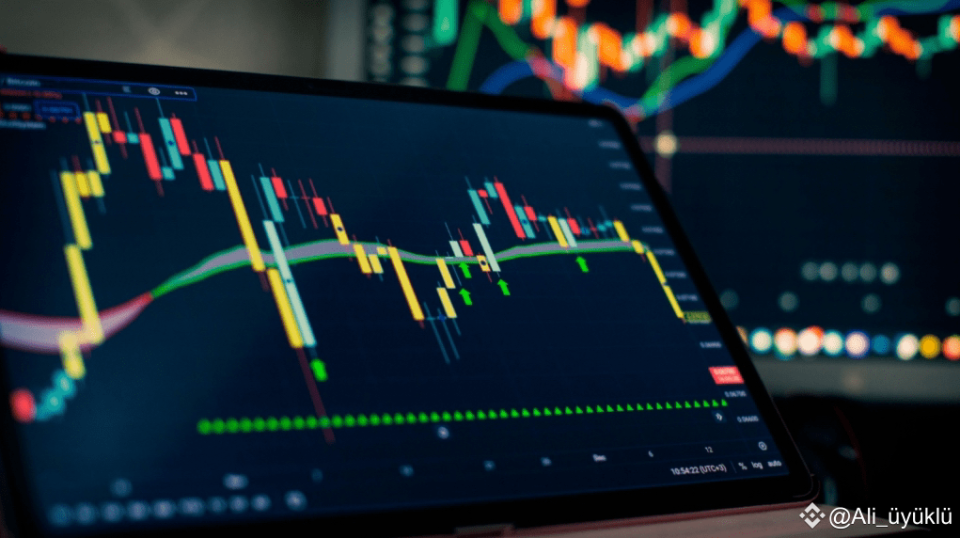
crypto trading signals are popular because they promise structure: “enter here, exit there.” Used responsibly, signals can help you learn process and avoid random decisions. Used carelessly, they can turn into overtrading and unmanaged risk—especially in volatile markets.
This guide explains how crypto trading signals work, how to evaluate them, and how to turn signals into a disciplined workflow.
What are crypto trading signals?
crypto trading signals are suggestions for trade setups in crypto markets. They can include an entry area, invalidation (stop) idea, and targets. Some signals come from humans; others are algorithmic. You may also see the phrase trading signals crypto, which usually means the same thing.
Best crypto trading signals: what “best” should mean
People search best crypto trading signals expecting a ranking. In practice, “best” should mean: transparent logic, realistic risk framing, and consistent reporting that includes losses. If the provider can’t explain why a trade exists, the signal is hard to trust and hard to learn from.
Crypto trading signals free: useful or dangerous?
crypto trading signals free channels can be useful for learning, but they often lack context and risk rules. If you follow free channels, treat it like practice: small size, strict limits, and focus on process rather than profit screenshots. The same applies to generic free crypto trading signals lists.
Live crypto trading signals and the speed trap
live crypto trading signals can create urgency. Urgency is the enemy of discipline. If a signal requires instant execution, it often pushes you into FOMO entries and oversized positions. A safer approach is to trade only signals that still make sense after you verify risk and context.
Crypto trading simulator mindset
A helpful mental model is a crypto trading simulator phase: even if you trade real money, start as if you are simulating. You are validating the provider’s logic, your execution discipline, and whether the outcomes match what the signal claims.
How to handle free crypto trading signals without getting chopped up
Most mistakes with free crypto trading signals come from treating alerts as commands. If you use free channels, set strict rules:
- One setup at a time: don’t enter five positions because the channel posted five calls.
- Risk budget: decide maximum risk per trade before you look at the signal.
- Ignore urgency: if live crypto trading signals require instant entries, skip them unless your plan supports that speed.
- Track outcomes: log results and rule adherence, not just profit.
This helps turn crypto trading signals free content into practice rather than into random gambling.
Where crypto bot trading fits
Some traders combine signals with automation. In crypto bot trading, a bot might execute entries or manage exits, but it still needs risk limits. Automation doesn’t fix weak signals; it only executes them faster. If you automate, define caps and stop conditions before you start.
Red flags (what to avoid)
Be cautious if a signal provider:
- shows only wins and hides losses,
- claims guaranteed profits,
- encourages oversized leverage without explaining invalidation,
- changes the plan after the trade goes wrong.
These red flags matter regardless of whether the channel calls itself best crypto trading signals or positions itself as premium trading signals.
How to use signals without overtrading
Overtrading is the most common way people lose money with crypto trading signals. The channel posts frequently, the market is always open, and a trader feels pressure to “participate.” A safer approach is to limit activity by design:
- Limit frequency: only take signals that meet your checklist and don’t exceed your daily risk budget.
- Prefer clarity: skip setups with vague entries or no invalidation logic.
- Use a watchlist: focus on a small set of assets so you can understand behavior and volatility.
This approach works for both paid communities and crypto trading signals free channels. Less activity, but higher quality decisions.
Tracking results (so you learn instead of chase)
To evaluate crypto trading signals fairly, track outcomes with context: market regime, volatility, and whether you followed your own rules. Many people blame the signal source when the real problem was oversized position sizing or ignoring invalidation. Tracking turns signals into feedback rather than into noise.
A simple signal-to-trade checklist
- Idea clarity: you understand the setup (trend, range, breakout, mean reversion).
- Invalidation: you know where you are wrong (stop concept).
- Sizing: position size fits your risk budget.
- Correlation: you are not stacking too many similar positions.
- Review: you track outcomes and adherence to rules.
If you want a structured overview of how signals fit into a broader workflow, you can review this mid-article resource: Veles Finance crypto trading signals guide.
Conclusion
crypto trading signals can be useful when they help you execute consistently and learn structure. The key is risk-first: define invalidation, size conservatively, and avoid urgency. Whether you follow crypto trading signals free sources or paid communities, disciplined process matters more than short-term results.
For broader tools and education around disciplined trading workflows, see Veles Finance.
