
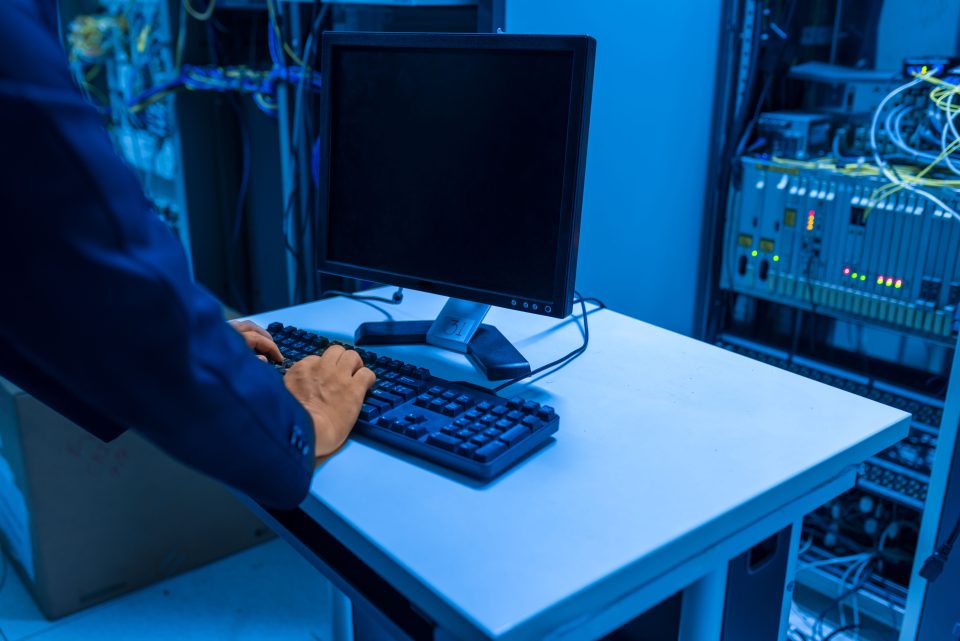
A colocation facility is an odd kind of building to protect. One company owns and runs it, but the servers and network gear inside belong to dozens, sometimes hundreds, of other businesses. So when the fire alarm or suppression goes offline for a while, the usual approach needs adjusting. A colocation fire watch still has to cover the whole floor, but the guard doing it has to remember that most of what they’re walking past isn’t the operator’s, and certainly isn’t theirs to touch.
Who Needs to Know?
More people than you might expect. The fire department and the alarm monitoring company come first, plus the insurer if it runs an impairment program. Inside the business, the network operations center and the security desk need to know a guard is on site, why they’re there, and roughly where they’ll be walking. Otherwise someone watching the cameras at 3 a.m. will reasonably wonder who’s wandering the halls.
Tenants are a separate question. Whether they’re told, and how much, depends on their contracts and the operator’s policies. Plenty of operators already send out maintenance notices, and fire system work can usually go out the same way. Some tenants will want to know exactly when the watch starts and stops. Others won’t mind either way, as long as nothing goes wrong.
Access Without Overreach
Colo sites take access seriously, with badge readers, biometric scanners, mantraps and cameras covering every aisle. A guard on a fire watch needs enough access to patrol properly, and that’s worth sorting out before the impairment starts, not on the night. What they don’t need is a way into tenant cages or cabinets.
In practice, patrols usually cover the aisles, the shared areas and the plant rooms, with an escort wherever the operator’s rules call for one. If the guard sees smoke or smells burning near someone’s cage, they report it straight away through the operator’s escalation process. They don’t open the cage to take a look, even if they technically could.
Keeping Tenant Confidence
Good records help too. Timestamped logs from the colocation fire watch give the operator something concrete to show a tenant or auditor who asks how the outage was handled.
Those logs should run from the minute the system goes down to the minute it’s back up and confirmed working. Gaps in the record, like a missed round or a shift change with no handover note, are exactly what tends to come up later in an audit.
Shared Spaces Carry Shared Risk
Some of the riskiest parts of a colo facility aren’t tenant space at all. Battery and UPS rooms, electrical switchgear and generator areas serve every customer in the building, so a problem in one of them can affect everyone at once.
Then there’s the loading dock. When tenants move new equipment in, the dock and staging areas can fill up with cardboard boxes, foam and plastic wrap, sometimes for days at a time. It’s not glamorous, but it’s a lot of fuel in one place. Meet-me rooms, where tenant networks connect to carriers and to each other, are packed with cabling as well. A route that sticks to the data halls misses most of this, and during an impairment these spaces deserve at least as much attention as the halls.
Protecting Equipment That Isn’t Yours
It’s an unusual job, protecting a building full of equipment you don’t own and aren’t allowed to touch. The fire watch fits that setup when it’s planned with tenants in mind. The right people need to be told, access needs to be agreed beforehand, and patrols should cover the shared spaces just as carefully as the halls. If all of that is done well, most tenants won’t even notice the impairment happened, and that’s usually the goal.
